In a piece in today's WSJ, Mark Yost recounts his visit to a museum dedicated to America's battles in the Pacific in World War II. Where else would you expect to find such a museum but Fredericksburg, Texas:
If "The Pacific," the 10-part miniseries that just concluded on HBO, has piqued your interest in the war against Japan, then I'd suggest you make your way to this little town about 90 miles west of Austin. It's home to the National Museum of the Pacific War, which tells the story of Pearl Harbor, Midway, Guadalcanal and Iwo Jima in exquisite and engaging detail. Having been to all the major war museums in Europe and the U.S., I left here thinking this is perhaps the most comprehensive, well-organized and informative military museum I've ever seen.
When visitors enter the newly remodeled George H.W. Bush Gallery, their tickets are given a 48-hour time stamp. Many will use all 48 hours. The museum is organized into small galleries that proceed chronologically from the opening of Japan and China by the Western powers in the 19th century to the war-crimes trials that followed the Japanese surrender that ended World War II. Each gallery provides an overview of the topic--a particular island campaign, U.S. treatment of the Nisei, flying "the Hump" in India--and then breaks it down with informative plaques, interactive kiosks and relics that keep visitors engaged without overwhelming them with too much information. I particularly liked the panels posted periodically that told visitors what was going on in the European theater at the same time.
Unlike the more privileged members of society, I do not have access to HBO and the wonders of "The Pacific" series. John Edwards was right about there being two Americas after all. When is someone going to do something about the "premium channel" divide that separates our country and denies hard-working Americans their fundamental right to high quality cable content?
Don't know when--if ever--I'll be anywhere near Fredericksburg, Texas, but if I am I definitely will plan on hitting the National Museum of the Pacific War, however inelegantly it may be named.

Tuesday, May 18, 2010
Monday, May 17, 2010
The Finest Things
One of my longtime staples of reading has undergone a signficant design change. Joseph Bottum on redesigning First Things:
And so we have now undertaken the redesign that begins with this issue. In the public discussions of America, First Things works for several things. The fight, for example, with those who want to strip the world of its religious clothing and create the naked public square. The long struggle against the murderousness of abortion. The attempt to sort out the good of modern democracy and science from the horrors that have emerged through what we insist are wrong turns taken in the name of modernity. And, most of all, the effort to be physicians to this Iron Age in which we live--the effort to reinvest the world with the richness, thickness, and freshness that is found only in truly God-haunted nations and societies.
But, as a magazine, First Things also works to preserve the high culture of intellectual journals: a culture that is fading under pressure from the Internet, from the weak American financial situation, and, not to mince words, from the absurd decline of print standards in this country.
Many magazines have given up on poetry--and so we print poems. Many magazines have given up on the long-form reporting that was once the glory of American journalism--and so we want to showcase that kind of story. Many magazines have given up on intellectual essays--and so we continue to present them, as we have always done, to our readers. For that matter, many magazines have given up on superior and intellectually challenging crossword puzzles--and so (over some internal objections, I should note) I demanded that we pick up, as well, that fallen standard of journalism.
Most of all, American magazines these days seem to have given up on elegance--and so we decided to demand art covers, and interior photographs, and fine text layout.
In other words, First Things defiantly refuses to accept the diminished condition of American print today. The object in your hands must be a pleasure to hold and read--or what good is a printed journal, with the cacophony of the Web sounding all around us?
Amen. Reading is about more than simply text on a page. The aesthetic side is important as well. How a book or magazine looks and feels still matters. Unfortunately, as Bottum notes, it seems that few publishers understand this or are committed to the same aesthetic quality they once were.
My copy of the new look First Things arrived in the mail on Saturday. While I haven't had a chance to paw through most of it yet, I do love the design of the cover and its feel.

Crossword puzzles and poetry aren't the reasons that I subscribe to First Things. It's the essays. And while reading the essays in the newly designed format won't be different from reading them in the old, I will find the overall experience a bit more enjoyable because of this change. What's inside is still what's most important, but having the content come wrapped in a visually pleasing package makes it even better. Well done.
And so we have now undertaken the redesign that begins with this issue. In the public discussions of America, First Things works for several things. The fight, for example, with those who want to strip the world of its religious clothing and create the naked public square. The long struggle against the murderousness of abortion. The attempt to sort out the good of modern democracy and science from the horrors that have emerged through what we insist are wrong turns taken in the name of modernity. And, most of all, the effort to be physicians to this Iron Age in which we live--the effort to reinvest the world with the richness, thickness, and freshness that is found only in truly God-haunted nations and societies.
But, as a magazine, First Things also works to preserve the high culture of intellectual journals: a culture that is fading under pressure from the Internet, from the weak American financial situation, and, not to mince words, from the absurd decline of print standards in this country.
Many magazines have given up on poetry--and so we print poems. Many magazines have given up on the long-form reporting that was once the glory of American journalism--and so we want to showcase that kind of story. Many magazines have given up on intellectual essays--and so we continue to present them, as we have always done, to our readers. For that matter, many magazines have given up on superior and intellectually challenging crossword puzzles--and so (over some internal objections, I should note) I demanded that we pick up, as well, that fallen standard of journalism.
Most of all, American magazines these days seem to have given up on elegance--and so we decided to demand art covers, and interior photographs, and fine text layout.
In other words, First Things defiantly refuses to accept the diminished condition of American print today. The object in your hands must be a pleasure to hold and read--or what good is a printed journal, with the cacophony of the Web sounding all around us?
Amen. Reading is about more than simply text on a page. The aesthetic side is important as well. How a book or magazine looks and feels still matters. Unfortunately, as Bottum notes, it seems that few publishers understand this or are committed to the same aesthetic quality they once were.
My copy of the new look First Things arrived in the mail on Saturday. While I haven't had a chance to paw through most of it yet, I do love the design of the cover and its feel.

Crossword puzzles and poetry aren't the reasons that I subscribe to First Things. It's the essays. And while reading the essays in the newly designed format won't be different from reading them in the old, I will find the overall experience a bit more enjoyable because of this change. What's inside is still what's most important, but having the content come wrapped in a visually pleasing package makes it even better. Well done.


The Mother of All Beer Weeks
Today marks the beginning of American Craft Beer Week:
Beer lovers, craft brewers, homebrewers, beer distributors, retailers, and even U.S. Congress are all making special plans for the annual American Craft Beer Week taking place across the country May 17-23. The "Mother of All Beer Weeks, " organized by the Brewers Association, celebrates small and independent craft brewers and highlights all that America loves about craft beer. In 2006, the week became the largest national effort focusing on American craft brewers and remains so today.
Now some of us already drink as if every week was American Craft Beer Week, but there's something about craft beer for everyone to celebrate from the novice to the hard core beer geeks. Especially here in Minnesota, where local brewers, liquor stores, and bars will celebrate the first ever Minnesota Craft Beer Week. It's always a good time for good beer, this week especially.
Beer lovers, craft brewers, homebrewers, beer distributors, retailers, and even U.S. Congress are all making special plans for the annual American Craft Beer Week taking place across the country May 17-23. The "Mother of All Beer Weeks, " organized by the Brewers Association, celebrates small and independent craft brewers and highlights all that America loves about craft beer. In 2006, the week became the largest national effort focusing on American craft brewers and remains so today.
Now some of us already drink as if every week was American Craft Beer Week, but there's something about craft beer for everyone to celebrate from the novice to the hard core beer geeks. Especially here in Minnesota, where local brewers, liquor stores, and bars will celebrate the first ever Minnesota Craft Beer Week. It's always a good time for good beer, this week especially.
Saturday, May 15, 2010
One Precinct Over the Line
I believe it was either Mark Ritchie or Josef Stalin who said: those who cast the votes decide nothing, those who count the votes decide nothing, those who create extra precincts decide everything.
Coincidentally or not, I noticed this curiosity from the post yesterday on the 2008 Minnesota Legacy Amendment, in the official results at the MN Secretary of State website:
Well isn't that convenient? In an election with the fate of over $6 billion in tax increases on the line, the government just happens to find one more precinct than actually exists to count, and the measure passes.
Yes, the measure passed by nearly 500,000 votes. But who's to say this phantom precinct isn't the size of greater Tucson? Especially if they were counting illegal immigrants!?
The more layers of this we peel, the more it stinks.
Coincidentally or not, I noticed this curiosity from the post yesterday on the 2008 Minnesota Legacy Amendment, in the official results at the MN Secretary of State website:
Precincts Reporting: 100.02% (4131 of 4130)
Well isn't that convenient? In an election with the fate of over $6 billion in tax increases on the line, the government just happens to find one more precinct than actually exists to count, and the measure passes.
Yes, the measure passed by nearly 500,000 votes. But who's to say this phantom precinct isn't the size of greater Tucson? Especially if they were counting illegal immigrants!?
The more layers of this we peel, the more it stinks.
Coast Guard?
This picture appeared in today's Wall Street Journal.
 With the caption:
Workers Friday on Dauphin Island, Ala., watch for oil from the Gulf spill. Meanwhile, President Obama ripped the industry, and other drilling plans face deeper scrutiny. The spill has stunted the Gulf's tourism, creating a drag on the region's economic recovery.
A couple of things merit comment.
First, none of these workers appear to be "watching for oil" unless you count the tanning lotion on the bikini-clad sunbather. Uh guys, the ocean's that way.
Secondly, where did they dig these characters up from anyway?
Start with the gent on the far left, who looks like VJ Singh approaching the 18th green. Hard hats are apparently optional.
Next we have Chaz, who's proudly claims the title of "best dressed oil cleanup worker in the country." C'mon Chaz, we gotta hit the beach. Hang on, I just need to finish buttoning up my blue dress shirt.
Next to him, with head hung low is the runt of the litter. After repeated attempts to ditch him failed, they finally agreed to allow him to come along on the condition that they duct tape his mouth shut.
Then there's the self-proclaimed "playa" of the crew. This Camaro-driving, Member's Only jacket-wearing ladies man goes by the moniker "Z-man." You can easily identify him by his hard hat, even though he drew the "Z" when he was looking at himself in the mirror.
Finally, there's Gilbert. He grew up watching "Crocodile Dundee" and Steve Irwin videos and one day he's going to live in the Outback and wrassle crocs himself. Until then, he working a part-time gig for the Alabama Department of Conservation and Natural Resources.
Fear not people of Alabama, your coast is being safely guarded.
 With the caption:
 Workers Friday on Dauphin Island, Ala., watch for oil from the Gulf spill. Meanwhile, President Obama ripped the industry, and other drilling plans face deeper scrutiny. The spill has stunted the Gulf's tourism, creating a drag on the region's economic recovery.
A couple of things merit comment.
First, none of these workers appear to be "watching for oil" unless you count the tanning lotion on the bikini-clad sunbather. Uh guys, the ocean's that way.
Secondly, where did they dig these characters up from anyway?
Start with the gent on the far left, who looks like VJ Singh approaching the 18th green. Hard hats are apparently optional.
Next we have Chaz, who's proudly claims the title of "best dressed oil cleanup worker in the country." C'mon Chaz, we gotta hit the beach. Hang on, I just need to finish buttoning up my blue dress shirt.
Next to him, with head hung low is the runt of the litter. After repeated attempts to ditch him failed, they finally agreed to allow him to come along on the condition that they duct tape his mouth shut.
Then there's the self-proclaimed "playa" of the crew. This Camaro-driving, Member's Only jacket-wearing ladies man goes by the moniker "Z-man." You can easily identify him by his hard hat, even though he drew the "Z" when he was looking at himself in the mirror.
Finally, there's Gilbert. He grew up watching "Crocodile Dundee" and Steve Irwin videos and one day he's going to live in the Outback and wrassle crocs himself. Until then, he working a part-time gig for the Alabama Department of Conservation and Natural Resources.
Fear not people of Alabama, your coast is being safely guarded.
Friday, May 14, 2010
Enter Sandman, Exit Tax Dollars
It all seemed so innocent on November 4, 2008. Seventy-nine cute and fuzzy little words on a page, asking for our help:
And 1.64 million Minnesotans dutifully responded: "Sounds good to me!"
For 10 months now, relentless waves of new money have been rolling in to fund the provisions listed in this Constitutional amendment. Well played Minnesota, I know my drinking water has never tasted more protected than it does today.
However, it turns out there was something else there on the page no one noticed. Something hiding in between the wetlands, prairies, forests, parks, trails, lakes, rivers, and streams. Something burrowed so deeply into our arts and cultural heritage that people didn't even know it was there.
Behold Minnesotans, when you voted for clean drinking water, you were really voting for this:

Last week Politics in Minnesota revealed that $45,000 in state tax dollars was spent to pay graphic novelist and fantasy author Neil Gaiman to speak for an hour or two in Stillwater. The money, for this noted author of "Sandman" and other essential macabre classics I've never heard of, came from the so-called Minnesota Legacy Amendment. The complete text, which is all voters were given on the ballot to consider this multi-billion dollar tax increase, is listed above.
That's politics in America for you. You vote for cleaning up the water in Minnesota and you end up with a British comic book author cleaning you out! (The preceding based on a joke about waiting in line at a government store for rutabagas, by Yakov Smirnov circa 1984).
I dare say, if the ballot language would have included even a hint of the millions of tax dollars to be spent by the government on this kind of activity, it would not have passed. Seeing in practice what they had in mind for the money, compared to the emotionally larded language they used to persuade voters, is appalling.
Neil Gaiman, when asked to comment about the disparity between the ballot language and how the money is actually being used, had this to say:
But it serves equally as well to describe this amendment. There are two worlds. The real world, where middle class tax payers are forced to pay 40 grand so a millionaire author like Neil Gaiman can give a speech promoting his books. And there's the fantasy world, where well paid government bureaucrats think 40 grand is an entirely reasonable price to pay for an author's speech, even while the state budget is running a $3 billion budget deficit. After all, it's not their money, right?
Neil Gaiman actually has commented on this controversy on his personal blog:
He shows a touching concern for our government's fiscal irresponsibility. But, upon assurances that this "awful lot of money" has to be spent on someone, he concludes that it might as well be him. Ah. The first and last refuge of all illegitimate recipients of tax dollars.
I have doubts that the story he was told is completely accurate. The sales tax revenue has already been collected. The government has the money. If they don't spend it on Neil Gaiman, it is unlikely that they must then create a bonfire with it on the Capitol mall. So what would happen to it instead? Beats me. That detail wasn't in the ballot provision I was asked to vote on. But here are a couple of ideas. Maybe they could spend it to help relieve the $3 billion the state government is spending in excess of its revenues. Or maybe they could spend it on protecting drinking water, wetlands, prairies, forests, parks, trails, lakes, rivers, and streams. Just a crazy thought.
Another crazy thought. Now that the public has a more accurate understanding of what they got themselves into back in 2008, how 'bout the politicians give us another shot at approving the Minnesota Legacy Amendment? Over the past year, I've asked just about every GOP state legislator we've had on the radio show about repealing or amending it. To a man (and woman), they've demurred on even the possibility of it. Although they didn't like it, the people have spoken, too difficult with a DFL majority, the arts lobby is too powerful, there are bigger battles to fight, blah blah blah.
To quote George Constanza misquoting George Bernard Shaw: I see things as they are and I say, 'no!' Uh, wait, you see things as they are not and you say… Wait, uh, you see things, do you see things as they are? What do you say when you see things? If I see things as they are, I would ask 'why' or 'why not?'
In other words, Republicans, find a way to do it. This is irresponsible spending and it will be unpopular with the public when it is accurately explained to them. If this amendment could be added to the state Constitution via public referendum, than it can be eliminated that way. Or, if you must keep your precious "clean water" funding, revise it to strip out the "arts and cultural heritage" provisions.
If I read the tea bags correctly, voters in the next election will be looking for a change toward fiscal responsibility. No better way for a candidate to demonstrate that than to pledge his support to getting a cost cutting change or repeal of the amendment back on the ballot at the earliest possible opportunity. And hurry, before Neil Gaiman is compelled to take $40,000 to speak about his comic books again.
Shall the Minnesota Constitution be amended to dedicate funding to protect our drinking water sources; to protect, enhance, and restore our wetlands, prairies, forests, and fish, game, and wildlife habitat; to preserve our arts and cultural heritage; to support our parks and trails; and to protect, enhance, and restore our lakes, rivers, streams, and groundwater by increasing the sales and use tax rate beginning July 1, 2009, by three-eighths of one percent on taxable sales until the year 2034?
And 1.64 million Minnesotans dutifully responded: "Sounds good to me!"
For 10 months now, relentless waves of new money have been rolling in to fund the provisions listed in this Constitutional amendment. Well played Minnesota, I know my drinking water has never tasted more protected than it does today.
However, it turns out there was something else there on the page no one noticed. Something hiding in between the wetlands, prairies, forests, parks, trails, lakes, rivers, and streams. Something burrowed so deeply into our arts and cultural heritage that people didn't even know it was there.
Behold Minnesotans, when you voted for clean drinking water, you were really voting for this:
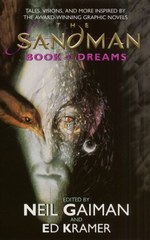
Last week Politics in Minnesota revealed that $45,000 in state tax dollars was spent to pay graphic novelist and fantasy author Neil Gaiman to speak for an hour or two in Stillwater. The money, for this noted author of "Sandman" and other essential macabre classics I've never heard of, came from the so-called Minnesota Legacy Amendment. The complete text, which is all voters were given on the ballot to consider this multi-billion dollar tax increase, is listed above.
That's politics in America for you. You vote for cleaning up the water in Minnesota and you end up with a British comic book author cleaning you out! (The preceding based on a joke about waiting in line at a government store for rutabagas, by Yakov Smirnov circa 1984).
I dare say, if the ballot language would have included even a hint of the millions of tax dollars to be spent by the government on this kind of activity, it would not have passed. Seeing in practice what they had in mind for the money, compared to the emotionally larded language they used to persuade voters, is appalling.
Neil Gaiman, when asked to comment about the disparity between the ballot language and how the money is actually being used, had this to say:
"There are only two worlds -- your world, which is the real world, and other worlds, the fantasy. Worlds like this are worlds of the human imagination: their reality, or lack of reality, is not important. What is important is that they are there. These worlds provide an alternative. Provide an escape. Provide a threat. Provide a dream, and power; provide refuge, and pain. They give your world meaning. They do not exist; and thus they are all that matters. Do you understand?"Actually, that's an excerpt from the Neil Gaiman's essential comic book classic, Sandman: The Book of Magic.
But it serves equally as well to describe this amendment. There are two worlds. The real world, where middle class tax payers are forced to pay 40 grand so a millionaire author like Neil Gaiman can give a speech promoting his books. And there's the fantasy world, where well paid government bureaucrats think 40 grand is an entirely reasonable price to pay for an author's speech, even while the state budget is running a $3 billion budget deficit. After all, it's not their money, right?
Neil Gaiman actually has commented on this controversy on his personal blog:
I was asked if I'd come and talk at Stillwater, and be paid $40,000. I said, "That's an awful lot of money for a little library."
"It's not from the library. It's from the Legacy Fund, a Minnesota tax allocation that allows the library to pay market rates to bring authors to suburban libraries who otherwise wouldn't be able to bring them in. They have to use the money now as it won't roll over to next year and expires next month."
"Ah."
Well, that seemed fairly simple. They'd already booked a number of other authors. They had the money sitting there and were happy to pay me my rack rate. Either they gave the money to me or it went away -- it couldn't be used for anything else.
He shows a touching concern for our government's fiscal irresponsibility. But, upon assurances that this "awful lot of money" has to be spent on someone, he concludes that it might as well be him. Ah. The first and last refuge of all illegitimate recipients of tax dollars.
I have doubts that the story he was told is completely accurate. The sales tax revenue has already been collected. The government has the money. If they don't spend it on Neil Gaiman, it is unlikely that they must then create a bonfire with it on the Capitol mall. So what would happen to it instead? Beats me. That detail wasn't in the ballot provision I was asked to vote on. But here are a couple of ideas. Maybe they could spend it to help relieve the $3 billion the state government is spending in excess of its revenues. Or maybe they could spend it on protecting drinking water, wetlands, prairies, forests, parks, trails, lakes, rivers, and streams. Just a crazy thought.
Another crazy thought. Now that the public has a more accurate understanding of what they got themselves into back in 2008, how 'bout the politicians give us another shot at approving the Minnesota Legacy Amendment? Over the past year, I've asked just about every GOP state legislator we've had on the radio show about repealing or amending it. To a man (and woman), they've demurred on even the possibility of it. Although they didn't like it, the people have spoken, too difficult with a DFL majority, the arts lobby is too powerful, there are bigger battles to fight, blah blah blah.
To quote George Constanza misquoting George Bernard Shaw: I see things as they are and I say, 'no!' Uh, wait, you see things as they are not and you say… Wait, uh, you see things, do you see things as they are? What do you say when you see things? If I see things as they are, I would ask 'why' or 'why not?'
In other words, Republicans, find a way to do it. This is irresponsible spending and it will be unpopular with the public when it is accurately explained to them. If this amendment could be added to the state Constitution via public referendum, than it can be eliminated that way. Or, if you must keep your precious "clean water" funding, revise it to strip out the "arts and cultural heritage" provisions.
If I read the tea bags correctly, voters in the next election will be looking for a change toward fiscal responsibility. No better way for a candidate to demonstrate that than to pledge his support to getting a cost cutting change or repeal of the amendment back on the ballot at the earliest possible opportunity. And hurry, before Neil Gaiman is compelled to take $40,000 to speak about his comic books again.
Beer of the Week (Vol. LV)
Another edition of Beer of the Week brought to you by the intrepid folks at Glen Lake Wine & Spirits who can help you explore the wide world of wine, whiskey, and beer.
Local craft beer fans no doubt recognize the name James Page Brewing. It was one of the first craft brewers to emerge on the scene. At that time, James Page and Summit were pioneers who helped blaze a trail and pave the way for the many local craft brewers who have since followed. It's interesting to look back on the history of James Page Brewing:
The brewery was founded by Minneapolis attorney James Page in 1986. The brewery was located on Quincy Street in Northeast Minneapolis, in an aging industrial warehouse building. The brewery's infrastructure was cobbled together from secondhand equipment. Despite the fact that James Page started brewing operations at almost the same time as the Summit Brewing Company, Page never exceeded more than about 1500 barrels per year of production until it was sold to new owners in the mid 1990s.
For some reason, Page just never really caught on the same way that Summit did. One of the reasons was their lack of a flagship beer like Summit's Extra Pale Ale. While their beer was good and much better than the mass produced alternatives, nothing really stood out about any of them.
In October 1995, James Page sold the brewery to a group of investors with a background in food marketing. Mr. Page continued to operate a home brew supply company until 1998 under the name "James Page Brewing", although there was no longer any tie to the brewery.
The new owners of the brewery, led by President David Anderson, thoroughly re-invented the brand. They created a fictional character to personify "James Page". This new James Page bore little resemblance to the founder of the company -- he was something of a rugged American frontiersman. They also stopped the unusual practice of trucking the beer to distant bottling lines. Instead, they produced the bottled product as a contract brew at various regional breweries (Minnesota Brewing Company in St. Paul, and then Stroh's in St. Paul). The draught product continued to be brewed at the Quincy Street brewery.
In the late 1990s/early 2000s, Page became the first American craft brewery to package their beer in cans. The canned product was brewed and packaged under contract at the August Schell Brewery in New Ulm, Minnesota. They won a contract with Northwest Airlines to feature the canned beer on certain domestic flights.
I remember when Page came out in cans, but I didn't realize they were the first ones in the country to do so. If you consider the number of craft beers that come in cans now--Surly being the most obvious example--they were obviously ahead of their time. Having Page in cans was extra nice when Northwest started carrying it. You could actually get a decent beer on a flight for a change.
Despite a more aggressive marketing push, the brewery's new management was not able to turn a profit. The James Page Brewing Company suffered from an identity crisis: although the Quincy Street brewery produced beer for their draught accounts, the bottled product was a contract brew. The beer in the bottles was not the same product as the beer in the kegs, and this could not help their reputation among beer aficionados. This was obviously perceived as a problem by Page management, as they made the acquisition of a bottling line a top priority during the late 1990s/early 2000s.
Although I didn't realize at the time that Page's product was not consistent between bottles and kegs, I do recall being generally unimpressed with Page's offerings whenever I purchased a six-pack. It's interesting to now know why.
In 2000, James Page had a stock offering, and the first $400,000 was specifically earmarked for the bottling line. They advertised their stock offering on their six-packs, and solicited investments as small as $285. They announced that they had successfully raised the maximum $855,000 from over 1,000 supporters in January, 2000. But the money was never used to fund expansion--instead it was used to lower their substantial debt burdens, and the bottling line was never built. 2001 proved to be a killer year for the company, as they continued to lose money. In 2002, the brewery was shut down. The company continued to contract-brew the beers at other regional breweries.
I remember the stock offering. While it was a clever approach, it also smelled of desperation and it wasn't surprising when the brewery went belly up shortly after.
In 2005, the company's final asset was liquidated when the Page brand name was purchased by the Stevens Point Brewery in Steven's Point, Wisconsin.
A pretty sad way to go out. Not only do you give up the name, you give it up to a brewery in Wisconsin which, despite having a storied history, isn't exactly known for producing high quality craft products. It looks like Point currently brews four of the original Page beers with the same names and label designs. So the Page name lives on. Sort of.
But the biggest legacy of James Page Brewing is not even mentioned in the Wikipedia piece. For even though there's really no longer any connection between James Page beers and Minneapolis, the James Page Blubber Run goes on:
Put on your running shoes and funny hats and come down to the 19th Annual 5k James Page Blubber Run, Walk or Whatever. If you're not a speedy runner, don't fret, costumes, creativity and a great sense of fun count most in this 5K race. Bring your friends, bring the pet, bring the kids, wear your goofiest outfit, just show up and join in the fun.
Nineteen years of Blubber Runs? Wow, doesn't seem like that's possible. Back in my pre-kids, pre-knees-shot-to-hell days, I participated in a number of Blubber Runs. They were about as serious running as I ever wanted to do, which obviously wasn't very much. If you want, you can drink before, during, and after the "race," which many participants choose to do. Since they take place in September, you never know what kind of weather you're going to get. Some years it was seventy-five and sunny, others forty and rainy. But either way it was always fun, especially post-race when everyone would enjoy brats, burgers, and of course beer while hanging around Peavey Plaza listening to music. Even though I haven't done it for a while, I'm glad the Blubber Run still exists. Some part of the James Page legacy still lives on.
All of this leads up to our beer of the week. JAMES PAGE VOYAGEUR EXTRA PALE ALE now brewed by Point.
Standard brown bottle. Looks like pretty much the original label with a yellow background and a picture of hearty French voyageurs guiding their canoe through raging waters. The James Page logo is on the front of the canoe.
 Beer Style: American Pale Ale
Alcohol by Volume:5.4%
COLOR (0-2): Dark gold and very clear. 2
AROMA (0-2): Light hops 1
HEAD (0-2): Off-white color. Decent volume and good lacing. 2
TASTE (0-5): Some hops flavor with a touch of sweet malt. Not really a whole lot of there there though. Lighter bodied with a thin and somewhat watery mouth feel. Drinkable. 2
AFTERTASTE (0-2): A little hollow. 1
OVERALL (0-6): I'm not sure how much this outsourced version resembles the original James Page Voyageur Pale Ale, which as I recall wasn't much to write home about. This too is a very ordinary offering. The one thing that might recommend it is the price. At $6.99 a six-pack it's at least a buck of two less than what most craft beers run these days. Personally, I'm happy to pay a little more for better taste. 3
TOTAL SCORE (0-19): 11
Local craft beer fans no doubt recognize the name James Page Brewing. It was one of the first craft brewers to emerge on the scene. At that time, James Page and Summit were pioneers who helped blaze a trail and pave the way for the many local craft brewers who have since followed. It's interesting to look back on the history of James Page Brewing:
The brewery was founded by Minneapolis attorney James Page in 1986. The brewery was located on Quincy Street in Northeast Minneapolis, in an aging industrial warehouse building. The brewery's infrastructure was cobbled together from secondhand equipment. Despite the fact that James Page started brewing operations at almost the same time as the Summit Brewing Company, Page never exceeded more than about 1500 barrels per year of production until it was sold to new owners in the mid 1990s.
For some reason, Page just never really caught on the same way that Summit did. One of the reasons was their lack of a flagship beer like Summit's Extra Pale Ale. While their beer was good and much better than the mass produced alternatives, nothing really stood out about any of them.
In October 1995, James Page sold the brewery to a group of investors with a background in food marketing. Mr. Page continued to operate a home brew supply company until 1998 under the name "James Page Brewing", although there was no longer any tie to the brewery.
The new owners of the brewery, led by President David Anderson, thoroughly re-invented the brand. They created a fictional character to personify "James Page". This new James Page bore little resemblance to the founder of the company -- he was something of a rugged American frontiersman. They also stopped the unusual practice of trucking the beer to distant bottling lines. Instead, they produced the bottled product as a contract brew at various regional breweries (Minnesota Brewing Company in St. Paul, and then Stroh's in St. Paul). The draught product continued to be brewed at the Quincy Street brewery.
In the late 1990s/early 2000s, Page became the first American craft brewery to package their beer in cans. The canned product was brewed and packaged under contract at the August Schell Brewery in New Ulm, Minnesota. They won a contract with Northwest Airlines to feature the canned beer on certain domestic flights.
I remember when Page came out in cans, but I didn't realize they were the first ones in the country to do so. If you consider the number of craft beers that come in cans now--Surly being the most obvious example--they were obviously ahead of their time. Having Page in cans was extra nice when Northwest started carrying it. You could actually get a decent beer on a flight for a change.
Despite a more aggressive marketing push, the brewery's new management was not able to turn a profit. The James Page Brewing Company suffered from an identity crisis: although the Quincy Street brewery produced beer for their draught accounts, the bottled product was a contract brew. The beer in the bottles was not the same product as the beer in the kegs, and this could not help their reputation among beer aficionados. This was obviously perceived as a problem by Page management, as they made the acquisition of a bottling line a top priority during the late 1990s/early 2000s.
Although I didn't realize at the time that Page's product was not consistent between bottles and kegs, I do recall being generally unimpressed with Page's offerings whenever I purchased a six-pack. It's interesting to now know why.
In 2000, James Page had a stock offering, and the first $400,000 was specifically earmarked for the bottling line. They advertised their stock offering on their six-packs, and solicited investments as small as $285. They announced that they had successfully raised the maximum $855,000 from over 1,000 supporters in January, 2000. But the money was never used to fund expansion--instead it was used to lower their substantial debt burdens, and the bottling line was never built. 2001 proved to be a killer year for the company, as they continued to lose money. In 2002, the brewery was shut down. The company continued to contract-brew the beers at other regional breweries.
I remember the stock offering. While it was a clever approach, it also smelled of desperation and it wasn't surprising when the brewery went belly up shortly after.
In 2005, the company's final asset was liquidated when the Page brand name was purchased by the Stevens Point Brewery in Steven's Point, Wisconsin.
A pretty sad way to go out. Not only do you give up the name, you give it up to a brewery in Wisconsin which, despite having a storied history, isn't exactly known for producing high quality craft products. It looks like Point currently brews four of the original Page beers with the same names and label designs. So the Page name lives on. Sort of.
But the biggest legacy of James Page Brewing is not even mentioned in the Wikipedia piece. For even though there's really no longer any connection between James Page beers and Minneapolis, the James Page Blubber Run goes on:
Put on your running shoes and funny hats and come down to the 19th Annual 5k James Page Blubber Run, Walk or Whatever. If you're not a speedy runner, don't fret, costumes, creativity and a great sense of fun count most in this 5K race. Bring your friends, bring the pet, bring the kids, wear your goofiest outfit, just show up and join in the fun.
Nineteen years of Blubber Runs? Wow, doesn't seem like that's possible. Back in my pre-kids, pre-knees-shot-to-hell days, I participated in a number of Blubber Runs. They were about as serious running as I ever wanted to do, which obviously wasn't very much. If you want, you can drink before, during, and after the "race," which many participants choose to do. Since they take place in September, you never know what kind of weather you're going to get. Some years it was seventy-five and sunny, others forty and rainy. But either way it was always fun, especially post-race when everyone would enjoy brats, burgers, and of course beer while hanging around Peavey Plaza listening to music. Even though I haven't done it for a while, I'm glad the Blubber Run still exists. Some part of the James Page legacy still lives on.
All of this leads up to our beer of the week. JAMES PAGE VOYAGEUR EXTRA PALE ALE now brewed by Point.
Standard brown bottle. Looks like pretty much the original label with a yellow background and a picture of hearty French voyageurs guiding their canoe through raging waters. The James Page logo is on the front of the canoe.
 Beer Style: American Pale Ale
Alcohol by Volume:5.4%
COLOR (0-2): Dark gold and very clear. 2
AROMA (0-2): Light hops 1
HEAD (0-2): Off-white color. Decent volume and good lacing. 2
TASTE (0-5): Some hops flavor with a touch of sweet malt. Not really a whole lot of there there though. Lighter bodied with a thin and somewhat watery mouth feel. Drinkable. 2
AFTERTASTE (0-2): A little hollow. 1
OVERALL (0-6): I'm not sure how much this outsourced version resembles the original James Page Voyageur Pale Ale, which as I recall wasn't much to write home about. This too is a very ordinary offering. The one thing that might recommend it is the price. At $6.99 a six-pack it's at least a buck of two less than what most craft beers run these days. Personally, I'm happy to pay a little more for better taste. 3
TOTAL SCORE (0-19): 11
America, Frac Yeah!
There was a fascinating--if perhaps overly optimistic--article in Monday's WSJ on How Shale Gas Is Going to Rock the World:
Over the past decade, a wave of drilling around the world has uncovered giant supplies of natural gas in shale rock. By some estimates, there's 1,000 trillion cubic feet recoverable in North America alone--enough to supply the nation's natural-gas needs for the next 45 years. Europe may have nearly 200 trillion cubic feet of its own.
We've always known the potential of shale; we just didn't have the technology to get to it at a low enough cost. Now new techniques have driven down the price tag—and set the stage for shale gas to become what will be the game-changing resource of the decade.
I have been studying the energy markets for 30 years, and I am convinced that shale gas will revolutionize the industry--and change the world--in the coming decades. It will prevent the rise of any new cartels. It will alter geopolitics. And it will slow the transition to renewable energy.
Those are pretty high expectations, but if we come anywhere close to realizing the potential promise of shale gas we could see them come to fruition. And the world would almost certainly be a better for it.
Over the past decade, a wave of drilling around the world has uncovered giant supplies of natural gas in shale rock. By some estimates, there's 1,000 trillion cubic feet recoverable in North America alone--enough to supply the nation's natural-gas needs for the next 45 years. Europe may have nearly 200 trillion cubic feet of its own.
We've always known the potential of shale; we just didn't have the technology to get to it at a low enough cost. Now new techniques have driven down the price tag—and set the stage for shale gas to become what will be the game-changing resource of the decade.
I have been studying the energy markets for 30 years, and I am convinced that shale gas will revolutionize the industry--and change the world--in the coming decades. It will prevent the rise of any new cartels. It will alter geopolitics. And it will slow the transition to renewable energy.
Those are pretty high expectations, but if we come anywhere close to realizing the potential promise of shale gas we could see them come to fruition. And the world would almost certainly be a better for it.
Thursday, May 13, 2010
The Shape Of An "L" On Her Forehead
Apparently Brian "Saint Paul" Ward enjoyed his hiatus from duty in the Patriot bunker so much last week that he's decided to once again pull himself from the NARN First Team lineup for this week's show. You best tread carefully my friend. Enjoying too many weekends away from the studio and your unpaid radio gig can become habit forming.
But First Team fans need not fear. Even in Brian's absence, the show will go on. In fact, I will be returning to the airwaves this Saturday and joining John Hinderacker for a very special appearance as a guest host. We'll have plenty to catch up in the first hour what with the British election, the Kagan nomination, the Greek bailout, and the Canadians stunning upset of the Penguins in the news.
In the second hour, we'll be joined by Mary Eberstadt:
Mary Tedeschi Eberstadt is a research fellow at the Hoover Institution and consulting editor to Policy Review, the Hoover Institution's bimonthly journal of essays and reviews on American politics and society.
Eberstadt focuses on issues on American society, culture, and philosophy. She has written widely for various magazines and newspapers, including Policy Review, the Weekly Standard, First Things, the American Spectator, Los Angeles Times, London Times, Newark Star-Ledger, and the Wall Street Journal.
She's also the author of a new book based on a series she originally composed for National Review called The Loser Letters: A Comic Tale of Life, Death, and Atheism. I'm about halfway through the book right now and have found it as good as advertised:
“As a Christian humorist, Mary Eberstadt is the rightful heir and assignee of C.S. Lewis, and her heroine in The Loser Letters is the legitimate child (or perhaps grandchild) of “the patient” in The Screwtape Letters.”
— P.J. O'Rourke, Author, Parliament of Whores
This is a wise, funny, and winning book.
— Michael Novak, author, No One Sees God
Mary Eberstadt is one smart cookie. If you don't believe me, ask Satan.
—George Weigel,author Cube and the Cathedral
"This book is a gem. Through letters of advice from A.F. Christian, an enthusiastic convert to the cause of the new atheists, Mary Eberstadt deftly exposes the flaws in their views. Using the lingo of pop culture to hilarious effect, she offers a scathing satire of their question-begging arguments and shows with great wit that they are not just wrongheaded but downright laughable. Yet this spirited defense of Christian faith is also a poignant commentary on what it means to be human."
—Fr. Peter Ryan, S.J., Professor of Moral Theology, Mt. St. Mary's Seminary
Eberstadt joins the growing list of authors such as Dinesh D'Souza, Vox Day, David Berlinski, and David Bentley Hart (among others), who have offered up compelling rebuttals to the aggressive atheism spouted by the likes of Dawkins, Hitchens, Dennett, Onfray, and Harris (among others) that has emerged in the last decade. However, her satirical work stands out for it's unique, accessible, and entertaining approach. When it comes to employing wicked wit and humor to devastating effect against the leading Brights of atheism, she's perhaps only matched by Vox Day.
Remember, The Northern Alliance Radio Network starts at 11AM Central, locally on AM1280 the Patriot. Streaming LIVE worldwide at the web site. Following the First Team as always at 1 PM, Mitch Berg and Ed Morrissey. You can join the conversation at 651-289-4488. And, don't forget at 9 AM, The King Banaian Show over at the Patriot's sister station, KYRC (Business 1570).
But First Team fans need not fear. Even in Brian's absence, the show will go on. In fact, I will be returning to the airwaves this Saturday and joining John Hinderacker for a very special appearance as a guest host. We'll have plenty to catch up in the first hour what with the British election, the Kagan nomination, the Greek bailout, and the Canadians stunning upset of the Penguins in the news.
In the second hour, we'll be joined by Mary Eberstadt:
Mary Tedeschi Eberstadt is a research fellow at the Hoover Institution and consulting editor to Policy Review, the Hoover Institution's bimonthly journal of essays and reviews on American politics and society.
Eberstadt focuses on issues on American society, culture, and philosophy. She has written widely for various magazines and newspapers, including Policy Review, the Weekly Standard, First Things, the American Spectator, Los Angeles Times, London Times, Newark Star-Ledger, and the Wall Street Journal.
She's also the author of a new book based on a series she originally composed for National Review called The Loser Letters: A Comic Tale of Life, Death, and Atheism. I'm about halfway through the book right now and have found it as good as advertised:
“As a Christian humorist, Mary Eberstadt is the rightful heir and assignee of C.S. Lewis, and her heroine in The Loser Letters is the legitimate child (or perhaps grandchild) of “the patient” in The Screwtape Letters.”
— P.J. O'Rourke, Author, Parliament of Whores
This is a wise, funny, and winning book.
— Michael Novak, author, No One Sees God
Mary Eberstadt is one smart cookie. If you don't believe me, ask Satan.
—George Weigel,author Cube and the Cathedral
"This book is a gem. Through letters of advice from A.F. Christian, an enthusiastic convert to the cause of the new atheists, Mary Eberstadt deftly exposes the flaws in their views. Using the lingo of pop culture to hilarious effect, she offers a scathing satire of their question-begging arguments and shows with great wit that they are not just wrongheaded but downright laughable. Yet this spirited defense of Christian faith is also a poignant commentary on what it means to be human."
—Fr. Peter Ryan, S.J., Professor of Moral Theology, Mt. St. Mary's Seminary
Eberstadt joins the growing list of authors such as Dinesh D'Souza, Vox Day, David Berlinski, and David Bentley Hart (among others), who have offered up compelling rebuttals to the aggressive atheism spouted by the likes of Dawkins, Hitchens, Dennett, Onfray, and Harris (among others) that has emerged in the last decade. However, her satirical work stands out for it's unique, accessible, and entertaining approach. When it comes to employing wicked wit and humor to devastating effect against the leading Brights of atheism, she's perhaps only matched by Vox Day.
Remember, The Northern Alliance Radio Network starts at 11AM Central, locally on AM1280 the Patriot. Streaming LIVE worldwide at the web site. Following the First Team as always at 1 PM, Mitch Berg and Ed Morrissey. You can join the conversation at 651-289-4488. And, don't forget at 9 AM, The King Banaian Show over at the Patriot's sister station, KYRC (Business 1570).
Wednesday, May 12, 2010
Stuck In The Middle With You
Earlier this week, a few of us Fraters were exchanging e-mails on Saint Paul's Both Ends Against the Middle post from last week and the two pieces by John Derbyshire and Michael Barone that he linked to in it.
We concluded that there seems to be a glorious opportunity for conservative politicians to reverse President Obama's attempts to play both ends against the middle, by aligning their message with the mood of those in the middle. Especially those running for Congress. While Democrats seem more and more willing to spend money (your money) on those at the bottom while also bailing out those on the top, what have they done to make things better for you or your children? Whether it's health care, the economy, or education it's pretty hard to point to much that your average middle class American believes has gotten better since the Democrats took control of Congress in 2006.
While there's always a danger of playing too much to populist passions, an effort to identify and align with middle class concerns would seem to be smart politics for conservatives candidates. Especially those in districts that traditionally have not been receptive to the standard conservative approach.
One of my frustrations with the Republican Party over the years has been that too often we have fielded candidates who are unwilling or unable to articulate the right message for their particular district. If you're running for Congress as a Republican in Minnesota's Fourth, Fifth, and to a certain extent Eighth Districts, you already are facing long odds. While rousing red meat conservative speeches may win you applause and accolades at the party conventions, they are not going to win over many voters in your dark blue districts. Michele Bachmann can talk about limited government, personal responsibility, and strict adherence to the Constitution all the time and still win election after election. Republican long shots in traditionally Democratic districts can't.
So if you're running in one of those districts and you want to have any hope of winning this year, you need a message suited to your voters. It can still be a conservative message, but it's got to be a conservative message that resonates with the people in your district. And this "playing the middle against both ends" strategy appears to be one that would. Especially this year.
Teresa Collett, Joel Demos, and Chip Cravaack take heed. Your best hopes of pulling off the improbable are to play to middle. Not from an ideologically perspective, but an economic one.
We concluded that there seems to be a glorious opportunity for conservative politicians to reverse President Obama's attempts to play both ends against the middle, by aligning their message with the mood of those in the middle. Especially those running for Congress. While Democrats seem more and more willing to spend money (your money) on those at the bottom while also bailing out those on the top, what have they done to make things better for you or your children? Whether it's health care, the economy, or education it's pretty hard to point to much that your average middle class American believes has gotten better since the Democrats took control of Congress in 2006.
While there's always a danger of playing too much to populist passions, an effort to identify and align with middle class concerns would seem to be smart politics for conservatives candidates. Especially those in districts that traditionally have not been receptive to the standard conservative approach.
One of my frustrations with the Republican Party over the years has been that too often we have fielded candidates who are unwilling or unable to articulate the right message for their particular district. If you're running for Congress as a Republican in Minnesota's Fourth, Fifth, and to a certain extent Eighth Districts, you already are facing long odds. While rousing red meat conservative speeches may win you applause and accolades at the party conventions, they are not going to win over many voters in your dark blue districts. Michele Bachmann can talk about limited government, personal responsibility, and strict adherence to the Constitution all the time and still win election after election. Republican long shots in traditionally Democratic districts can't.
So if you're running in one of those districts and you want to have any hope of winning this year, you need a message suited to your voters. It can still be a conservative message, but it's got to be a conservative message that resonates with the people in your district. And this "playing the middle against both ends" strategy appears to be one that would. Especially this year.
Teresa Collett, Joel Demos, and Chip Cravaack take heed. Your best hopes of pulling off the improbable are to play to middle. Not from an ideologically perspective, but an economic one.
Separated At Birth?
Henry e-mails with another topical SAB:
ESPN's version of a silver-tongued, goatee-sporting prince of hockey commentators Barry Melrose...

...and South Park's version of the forked-tongued goatee-sporting Prince of Darkness Satan?

ESPN's version of a silver-tongued, goatee-sporting prince of hockey commentators Barry Melrose...

...and South Park's version of the forked-tongued goatee-sporting Prince of Darkness Satan?

Tuesday, May 11, 2010
Time For Stabbing Not Starving
There's a growing realization in conservative circles that when it comes to controlling government budgets, cutting taxes is not the answer. The theory that the "beast" can be slimmed down by depriving it of sustenance has been disproved by what's actually happened over the last thirty years. Kevin D. Williamson had an excellent piece in a recent edition of National Review that squarely addressed the problem (sub req):
Properly understood, there were no Reagan tax cuts. In 1980 federal spending was $590 billion and in 1989 it was $1.14 trillion; you don't get Reagan tax cuts without Tip O'Neill spending cuts. Looked at from the proper perspective, we haven't really had any tax cuts to speak of--we've had tax deferrals. Reagan and his congressional allies had an excuse in the considerable person of Speaker O'Neill. But George W. Bush and the concurrent Republican majorities in both houses of Congress didn't manage to cut spending, either. Part of that was circumstances--9/11, Afghanistan, Iraq, the subprime meltdown--but part of it was the fact that a poorly applied supply-side analysis has infantilized Republicans when it comes to the budget. They love to cut taxes but cannot bring themselves to cut spending: It's eat dessert first and leave the spinach on the table.
This isn't to say that there aren't perfectly valid reasons for cutting taxes such as to spur economic growth. But the history is quite clear that cutting taxes in the hope that such cuts would automatically lead to less spending is wishful thinking at best, a delusional fantasy at worst. As is the notion that tax cuts always "pay for themselves" through increased revenue. While it's true that a dollar in tax cuts usually does not equate to a dollar in lost revenue, it's also true that they aren't usually budget neutral. As Williamson notes in his piece, those who continue to claim they are should check with Mr. Supply Side himself:
Some people are more sensible about that Laffer Curve talk. Laffer, for instance. Arthur Laffer, whose famous (and possibly apocryphal) back-of-the-napkin diagram launched supply-side tax policy, readily concedes that the growth effects of tax cuts are oversold in the political debate. "Does every tax cut pay for itself? No. I think Irving Kristol wrote that, once--and then did a pretty good job of arguing for it. But if some guy running for Congress in Clayton County, Texas, says all tax cuts pay for themselves, what do we want to do? Go after him with a shotgun? Sure, they're going to cite me, and there's very little I can do about it. But there's the same amount of ignorance on the other side, ignoring the economic feedback effects of tax cuts."
The fact that a good part of arguments of the Left are economically ignorant does not excuse such ignorance among conservatives. If we believe that tax cuts are needed, then we should support them for the right reasons. But we should not pretend that such cuts will help improve budgetary matters.
Williamson has additional advice:
This we know: Tax cuts don't get us out of the spending pickle, and growth isn't going to make the debt irrelevant. Legislative mandates and gimmicks like spending caps and the like will not constrain the spendthrift habits of appropriators--because, if they do, they will be repealed, just like Gramm-Rudman was. You can't starve the beast if the Chinese and the bond markets keep lending him bon-bons by the ton. And the prospect of enacting a balanced-budget amendment to the Constitution is a castle in the sky.
So, what should conservatives do? One, abjure magical thinking about tax cuts. Two, develop a rhetoric in which "spending" and "taxes" are synonyms, so a federal budget with $1 trillion in new spending means $1 trillion in new taxes--levies on Americans today or on our children tomorrow, with interest. Three, get a load of those tea-party yokels, with their funny hats and dysgraphic signage, and keep this in mind: They are opposed to the Democrats, but what they are really looking for is an alternative to the establishment Republicans, whom they distrust, with good reason, when it comes to the bottom-line question of balancing the budget and getting our fiscal affairs in good order. And then, finally, decide which angry mob you want to face: today's voters or tomorrow's bondholders.
Similar thoughts were voiced by Steve Chapman in a piece at the Washington Examiner called How starving government gets fat (via Joe Carter at First Thoughts):
This really shouldn't be surprising. In the first place, cutting taxes doesn't deprive the government of funds as long as it can tap the credit markets on a vast scale. Locking up the ice cream does no good if there's an endless supply of burgers and fries.
In the second place, cutting taxes instead of spending is seductively pleasant. It lets citizens enjoy more government services at no extra cost on April 15.
Forced to pay for everything they get, right away, Americans would undoubtedly choose to make do with less. But given the opportunity to party now and pay later -- or never, if the tab can be billed to the next generation -- they find no compelling reason to do without.
Think of it this way. If you want people to consume more of something, you reduce the price. If you want them to consume less, you raise the price. For most of the last 30 years, federal programs have been on sale, and they've found lots of buyers.
That's how the low-tax strategy has worked in practice. So if we are going to reduce the size of the federal government, we can't rely on starving the beast. We will have to tackle it and wrestle it to the mat.
In some ways, cutting taxes had the same impact on government spending that cutting interest rates had on consumer spending. Easy money allowed people to defer the day of reckoning for having to pay for the homes, cars, boats, and other toys they loaded up on before the latest bubble burst. Lower taxes have allowed Americans to defer having to pay for all the government goodies we've loaded up in over the last thirty years. The credit bubble has already burst, it's time to puncture the government bubble.
This is not going to be an easy message for conservative leaders to deliver. Taking on the beast head on means cutting spending. A lot. At levels that will have some impact on almost all Americans. But if there ever was a time for that message to be understood and accepted by a majority of the country, it's right now.
Properly understood, there were no Reagan tax cuts. In 1980 federal spending was $590 billion and in 1989 it was $1.14 trillion; you don't get Reagan tax cuts without Tip O'Neill spending cuts. Looked at from the proper perspective, we haven't really had any tax cuts to speak of--we've had tax deferrals. Reagan and his congressional allies had an excuse in the considerable person of Speaker O'Neill. But George W. Bush and the concurrent Republican majorities in both houses of Congress didn't manage to cut spending, either. Part of that was circumstances--9/11, Afghanistan, Iraq, the subprime meltdown--but part of it was the fact that a poorly applied supply-side analysis has infantilized Republicans when it comes to the budget. They love to cut taxes but cannot bring themselves to cut spending: It's eat dessert first and leave the spinach on the table.
This isn't to say that there aren't perfectly valid reasons for cutting taxes such as to spur economic growth. But the history is quite clear that cutting taxes in the hope that such cuts would automatically lead to less spending is wishful thinking at best, a delusional fantasy at worst. As is the notion that tax cuts always "pay for themselves" through increased revenue. While it's true that a dollar in tax cuts usually does not equate to a dollar in lost revenue, it's also true that they aren't usually budget neutral. As Williamson notes in his piece, those who continue to claim they are should check with Mr. Supply Side himself:
Some people are more sensible about that Laffer Curve talk. Laffer, for instance. Arthur Laffer, whose famous (and possibly apocryphal) back-of-the-napkin diagram launched supply-side tax policy, readily concedes that the growth effects of tax cuts are oversold in the political debate. "Does every tax cut pay for itself? No. I think Irving Kristol wrote that, once--and then did a pretty good job of arguing for it. But if some guy running for Congress in Clayton County, Texas, says all tax cuts pay for themselves, what do we want to do? Go after him with a shotgun? Sure, they're going to cite me, and there's very little I can do about it. But there's the same amount of ignorance on the other side, ignoring the economic feedback effects of tax cuts."
The fact that a good part of arguments of the Left are economically ignorant does not excuse such ignorance among conservatives. If we believe that tax cuts are needed, then we should support them for the right reasons. But we should not pretend that such cuts will help improve budgetary matters.
Williamson has additional advice:
This we know: Tax cuts don't get us out of the spending pickle, and growth isn't going to make the debt irrelevant. Legislative mandates and gimmicks like spending caps and the like will not constrain the spendthrift habits of appropriators--because, if they do, they will be repealed, just like Gramm-Rudman was. You can't starve the beast if the Chinese and the bond markets keep lending him bon-bons by the ton. And the prospect of enacting a balanced-budget amendment to the Constitution is a castle in the sky.
So, what should conservatives do? One, abjure magical thinking about tax cuts. Two, develop a rhetoric in which "spending" and "taxes" are synonyms, so a federal budget with $1 trillion in new spending means $1 trillion in new taxes--levies on Americans today or on our children tomorrow, with interest. Three, get a load of those tea-party yokels, with their funny hats and dysgraphic signage, and keep this in mind: They are opposed to the Democrats, but what they are really looking for is an alternative to the establishment Republicans, whom they distrust, with good reason, when it comes to the bottom-line question of balancing the budget and getting our fiscal affairs in good order. And then, finally, decide which angry mob you want to face: today's voters or tomorrow's bondholders.
Similar thoughts were voiced by Steve Chapman in a piece at the Washington Examiner called How starving government gets fat (via Joe Carter at First Thoughts):
This really shouldn't be surprising. In the first place, cutting taxes doesn't deprive the government of funds as long as it can tap the credit markets on a vast scale. Locking up the ice cream does no good if there's an endless supply of burgers and fries.
In the second place, cutting taxes instead of spending is seductively pleasant. It lets citizens enjoy more government services at no extra cost on April 15.
Forced to pay for everything they get, right away, Americans would undoubtedly choose to make do with less. But given the opportunity to party now and pay later -- or never, if the tab can be billed to the next generation -- they find no compelling reason to do without.
Think of it this way. If you want people to consume more of something, you reduce the price. If you want them to consume less, you raise the price. For most of the last 30 years, federal programs have been on sale, and they've found lots of buyers.
That's how the low-tax strategy has worked in practice. So if we are going to reduce the size of the federal government, we can't rely on starving the beast. We will have to tackle it and wrestle it to the mat.
In some ways, cutting taxes had the same impact on government spending that cutting interest rates had on consumer spending. Easy money allowed people to defer the day of reckoning for having to pay for the homes, cars, boats, and other toys they loaded up on before the latest bubble burst. Lower taxes have allowed Americans to defer having to pay for all the government goodies we've loaded up in over the last thirty years. The credit bubble has already burst, it's time to puncture the government bubble.
This is not going to be an easy message for conservative leaders to deliver. Taking on the beast head on means cutting spending. A lot. At levels that will have some impact on almost all Americans. But if there ever was a time for that message to be understood and accepted by a majority of the country, it's right now.
Subscribe to:
Posts (Atom)